How Biometric Authentication Protocols Are Reshaping Transaction Flows in Regulated British Sportsbooks
Otto Simon · Sep 16, 2026
How Biometric Authentication Protocols Are Reshaping Transaction Flows in Regulated British Sportsbooks
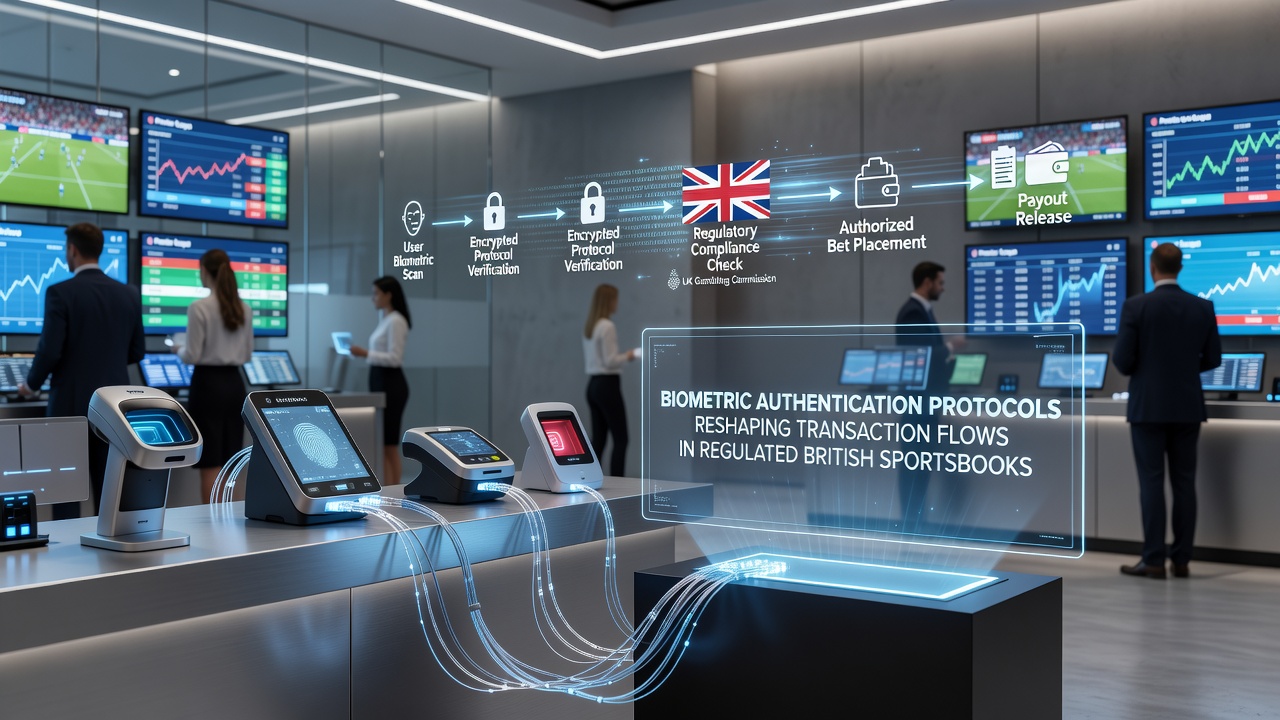
Biometric authentication protocols have started to alter how transactions move through regulated British sportsbooks, shifting from traditional password or token systems toward fingerprint, facial recognition, and voice pattern verification methods that streamline deposits and withdrawals while meeting compliance requirements. Operators now integrate these tools directly into mobile and desktop platforms, allowing users to authorize payments in seconds rather than navigating multiple verification layers.
Core Biometric Technologies in Use
Research from academic institutions shows that fingerprint and facial recognition dominate current deployments because they pair reliably with existing smartphone hardware already in widespread circulation across the UK market. Voice biometrics appear in customer support channels where spoken commands confirm account details during live sessions. Data indicates these methods reduce average transaction approval times by measurable margins when compared against legacy one-time password approaches, and they cut down on manual reviews triggered by suspicious login patterns.
Transaction Flow Adjustments in Practice
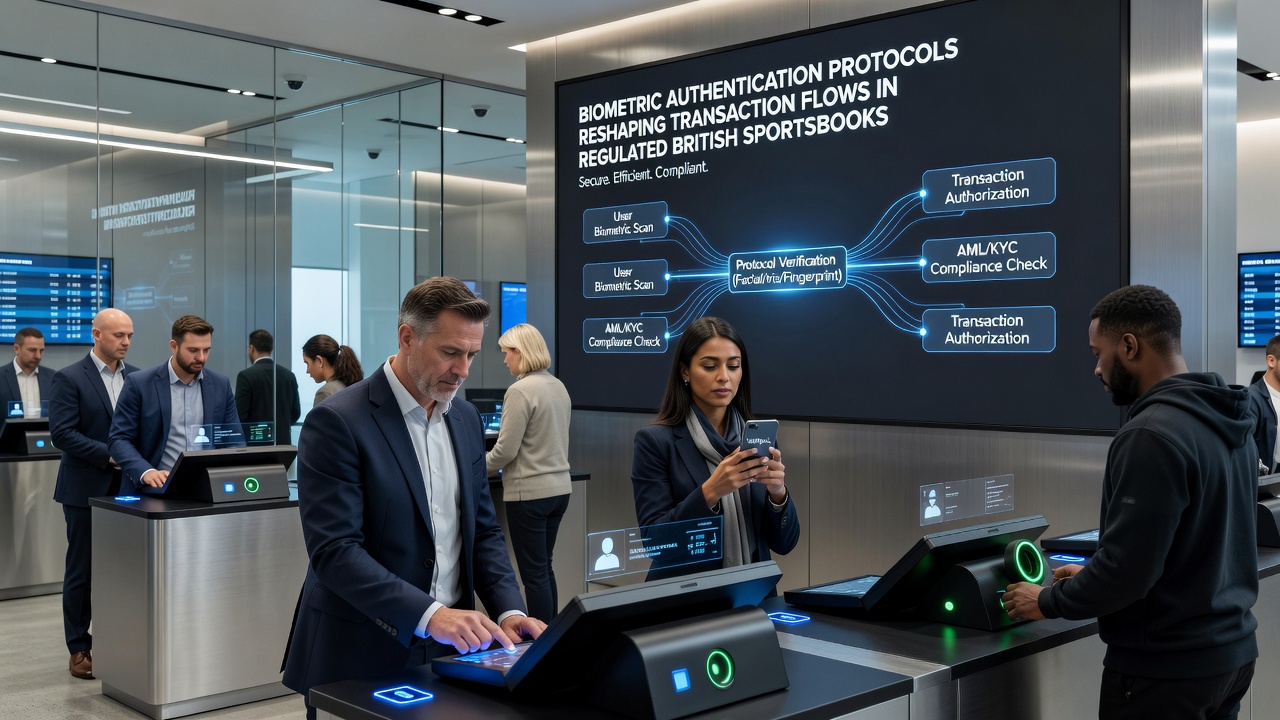
Once a user initiates a deposit, the system captures biometric data at the point of authorization and matches it against stored templates held in secure servers rather than transmitting raw images or audio files. This architecture supports instant fund movements in many cases, and it links each action to a unique physiological marker that regulators can audit later if disputes arise. In September 2026 several major platforms rolled out updated protocols that combine multiple biometric checks for high-value transfers, creating layered verification without extending session duration beyond a few additional seconds.
Withdrawals follow similar patterns yet add an extra confirmation step that cross-references recent betting activity with the biometric signature recorded at login. Industry reports note that this approach helps flag unusual patterns, such as sudden large payouts from accounts with limited prior activity, while still allowing routine users to complete requests quickly. Observers note that transaction logs now include biometric timestamps alongside monetary details, giving compliance teams richer datasets for reviewing player behavior over time.
Regulatory and Security Context
European regulatory frameworks outside the UK have encouraged similar biometric standards in adjacent markets, and operators active in Britain often align their systems with those broader expectations to maintain cross-border consistency. According to findings published by the European Gaming and Betting Association, biometric integration correlates with lower rates of account takeover attempts across participating jurisdictions. A separate analysis from Canadian research centers highlights how voice and facial systems perform under varying network conditions, information that British platforms have incorporated when designing fallback procedures for users in low-connectivity areas.
Security teams manage template storage through encrypted vaults that never expose raw biometric data to third-party processors, and regular audits verify that matching algorithms maintain accuracy thresholds set by technical standards bodies. When mismatches occur the system routes the transaction to secondary verification routes such as device-based push notifications or registered card details, preserving access for legitimate users while blocking unauthorized attempts.
Operational Impacts on Operators and Users
Staff at betting firms report fewer password reset requests after biometric rollout, freeing support resources for other tasks such as responsible gambling interventions. Players experience smoother checkout flows during live events where timing matters, and the reduced friction appears in aggregated session data that shows higher completion rates for deposit sequences. Those who study these systems point out that adoption rates climbed steadily through 2025 and into 2026 as hardware capabilities improved on mid-range devices.
Training materials for compliance officers now emphasize interpretation of biometric audit trails rather than manual password checks, and software updates often include refined algorithms that adapt to gradual changes in a user's appearance or voice over months or years. The result is a transaction environment where each step carries an embedded identity confirmation that travels with the funds from deposit through settlement.
Conclusion
Biometric protocols continue to embed themselves into the transaction infrastructure of regulated British sportsbooks, producing measurable shifts in speed, auditability, and security posture. Evidence from multiple sources demonstrates that these changes affect both routine user interactions and the backend processes that keep platforms compliant with evolving standards. As hardware improves and algorithms refine, transaction flows are likely to incorporate even tighter integration between identity verification and financial movement in the periods ahead.